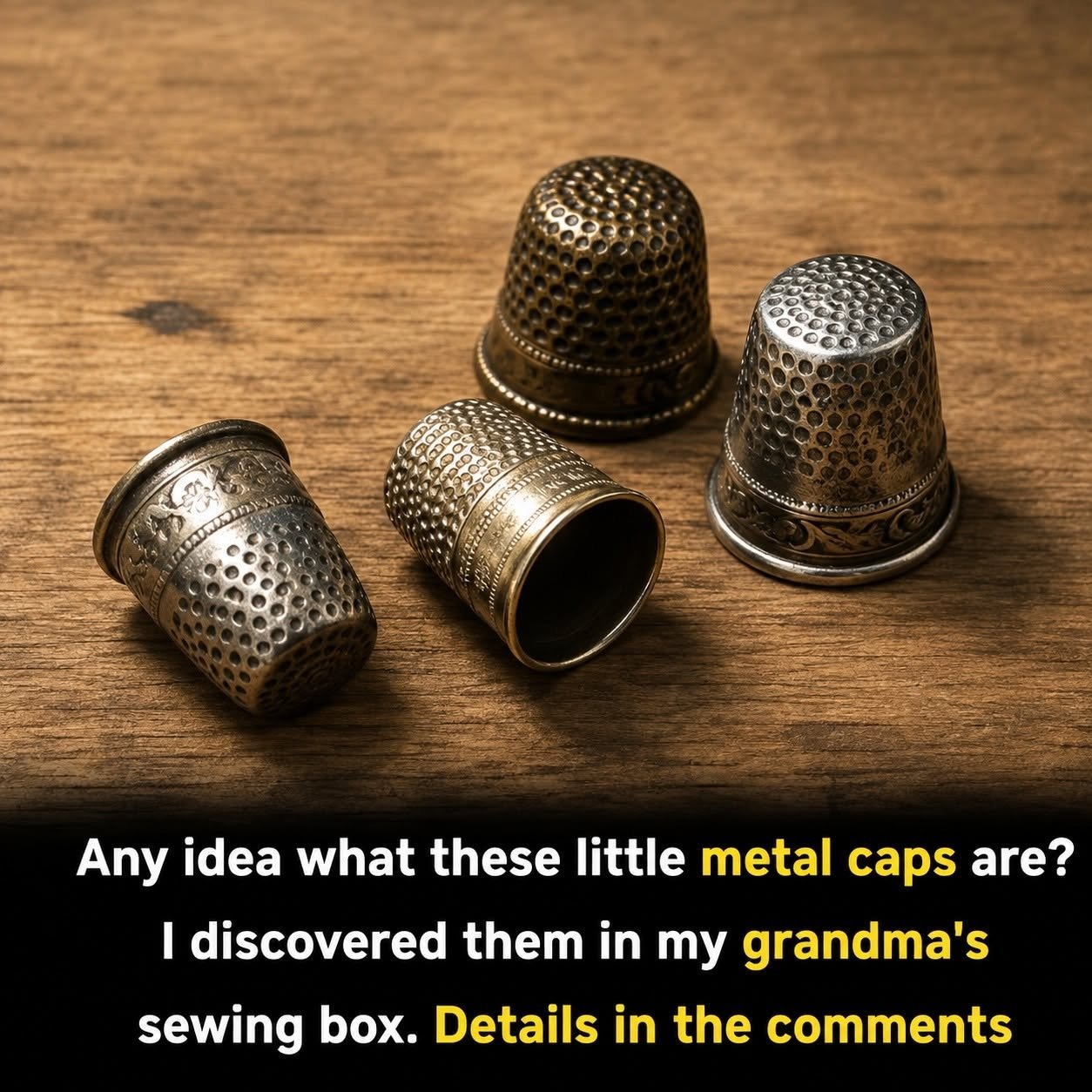
At first glance, a thimble might appear to be a humble sewing accessory — small, unassuming, and purely functional. Yet, beneath its simple exterior lies a remarkable story that spans thousands of years. From ancient artisans to modern collectors, thimbles have been treasured not just as tools of protection but also as symbols of artistry, ingenuity, and even affection.
From the dusty ruins of Pompeii to the gleaming cabinets of collectors today, the thimble has endured through shifting eras, changing materials, and evolving meanings. Let’s explore how this tiny object has stitched itself into the grand tapestry of human history.
A Glimpse into the Past: Thimbles in Ancient Times
The history of the thimble begins in the ancient world. Archaeologists have uncovered bronze thimbles in Pompeii, dating back to the 1st century AD, providing evidence that even early civilizations valued precision and protection in their handcrafts. These early versions were practical in design, shaped to fit snugly over the fingertip to prevent needle pricks while sewing.
Similar tools have been found in China, Egypt, and the Middle East, each with subtle variations that reflect local craftsmanship. Some were made from bone, ivory, or leather, while others used bronze and brass, materials durable enough to endure daily use.
Though these thimbles were utilitarian, they represented the foundation for a craft that would later blend artistry with function — a balance that would define their evolution for centuries to come.
From Function to Fashion: The Evolution of Thimbles
As textile work flourished in medieval Europe, the design of the thimble evolved. Artisans began crafting them from leather, wood, and metal, adapting to new fabrics and finer stitching techniques.
By the 14th century, Nuremberg, Germany, had become a major hub of thimble production. Skilled metalworkers there perfected the art of casting thimbles in brass, earning the city a reputation that would last for generations.
In time, the thimble transcended its purely functional role. During the 17th and 18th centuries, thimbles became fashionable accessories among the European elite. Wealthy families commissioned ornate pieces made from silver, gold, or even enamel, often engraved with initials or delicate floral patterns. Some were gifted as tokens of love or friendship, while others were included in dowries as cherished keepsakes.
A thimble, once a mere tool, had become a symbol of refinement, creativity, and status.
Beyond Sewing: Thimbles in Trades, Culture, and Folklore
Although sewing is the craft most associated with thimbles, their usefulness extended far beyond the needle. Craftspeople across trades — including bookbinders, lace-makers, and leatherworkers — relied on thimbles for precision and finger protection.
Over time, the thimble also found its way into folklore and cultural symbolism. In J.M. Barrie’s “Peter Pan”, Wendy famously gives Peter a thimble as a “kiss,” turning this simple object into a gesture of tenderness and imagination.
In the early 20th century, the thimble became an icon of everyday life, immortalized as one of the original Monopoly game pieces — a tiny tribute to its ubiquity in domestic settings. It represented not just sewing, but the quiet industriousness of home life.
Treasures for Collectors: The World of Vintage Thimbles
Fast forward to today, and thimbles have become coveted collectible items. Antique and vintage thimbles hold both historical and artistic value, offering a window into the aesthetics and craftsmanship of earlier eras.
Collectors often specialize in specific themes — focusing on:
Materials: such as porcelain, sterling silver, pewter, or bone china.
Time periods: from Victorian to Art Deco designs.
Origins: English, German, Russian, or Asian craftsmanship.
Some thimbles even commemorate historic events, royal occasions, or notable manufacturers — transforming a sewing aid into a storytelling artifact.
One of the most renowned destinations for enthusiasts is the Fingerhut Museum in Creglingen, Germany. Housing thousands of thimbles from across centuries and cultures, the museum celebrates how such a small item reflects vast historical and artistic trends. Each piece, from plain brass to jeweled gold, tells a chapter of a greater human story.
The Modern Thimble: Blending Tradition with Creativity
In our modern, machine-driven world, the thimble remains a symbol of craftsmanship and patience. Though fewer people sew by hand, many artisans, quilters, and embroidery lovers still treasure the tactile connection that the thimble provides.
Contemporary designers continue to innovate — crafting thimbles from ceramic, resin, glass, and even 3D-printed materials. Some feature modern patterns or minimalist designs, while others reimagine classic Victorian motifs.
Whether used functionally in quilting or displayed as art, today’s thimbles represent a beautiful balance of heritage and modern creativity — proof that even in an age of technology, handmade artistry still thrives.
Final Thoughts: Small Tool, Big Legacy
Thimbles may be tiny, but their history is vast. Over millennia, they have evolved from simple bronze protectors to objects of beauty, status, and storytelling. They’ve guarded the hands of seamstresses, symbolized affection in literature, and inspired collectors worldwide.
In every sense, the thimble is a testament to how the smallest tools can leave the biggest imprint.
So next time you see one — whether tucked into a sewing kit or shining in a display case — take a moment to appreciate its quiet legacy. This little cap of metal or porcelain carries within it centuries of craftsmanship, creativity, and human connection.
Website Disclaimer
The information provided on this website is for general informational and educational purposes only. While we strive to ensure that all content is accurate and up to date, we make no guarantees regarding the completeness, reliability, or accuracy of any information published.
The views and opinions expressed in articles belong to their respective authors and do not necessarily reflect the views of this website. Any action you take based on the information found on this website is strictly at your own risk. We will not be liable for any losses, damages, or inconveniences arising from the use of our content.
Some articles may contain opinions, third-party information, or external links. We do not endorse or guarantee the accuracy of content on external websites and are not responsible for their practices or policies.
All content on this website is provided in good faith and is intended for informational purposes only. Readers are encouraged to verify information independently and seek professional advice where appropriate.