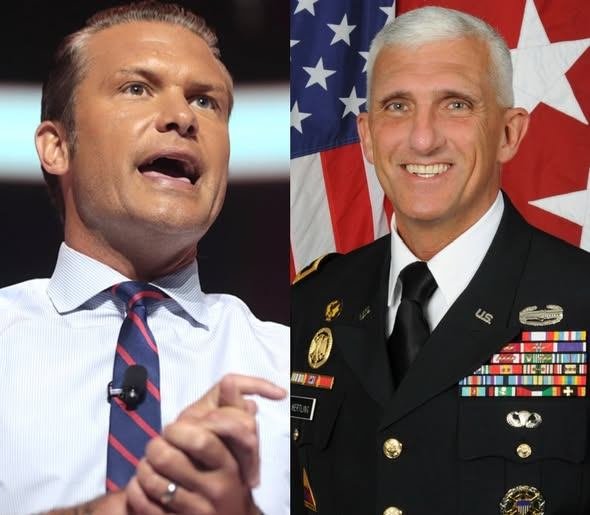
In a scathing critique that is shaking the political and military worlds, retired U.S. Army Lieutenant General Mark Hertling has publicly annihilated Pete Hegseth, a prominent conservative commentator and former military officer. In his article for The Bulwark, Hertling condemned Hegseth for his views on military justice, accusing him of moral failure and undermining the legitimacy of the U.S. military. Hertling’s critique takes particular aim at Hegseth’s role in a potential war crime during a Caribbean boat strike and highlights a troubling pattern of rejecting military legal oversight.
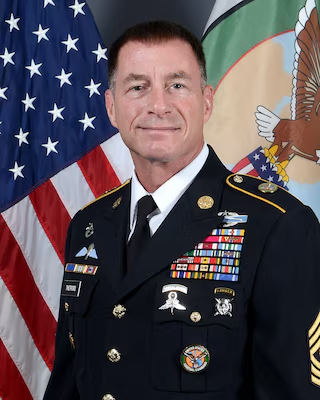
This article will explore Hertling’s analysis of Hegseth’s controversial stance, his views on military justice, and the broader implications for military ethics. It will also examine the moral failings that Hertling argues are exacerbated by figures like Hegseth and how these actions threaten the credibility and ethical foundations of the U.S. military.
1. The Moral Drift Within the U.S. Military
1.1 The Prolonged Engagement in the Middle East
Hertling begins his critique by reflecting on the impact of the U.S. military’s prolonged engagement in the Middle East, a period that he argues led to significant moral erosion within the ranks. The military’s long-term operations in Iraq and Afghanistan exposed U.S. forces to the realities of combat in environments where moral and ethical standards were often tested under the pressure of war.
Hertling points to several high-profile incidents, such as the abuses at Abu Ghraib prison, as critical examples of how the military’s ethical compass began to falter. These abuses, which included the torture and mistreatment of prisoners, were a stark representation of the breakdown in discipline and ethical standards that resulted from the extended military presence in the region.
1.2 The Murder of an Iraqi Family and Its Consequences
One of the most troubling incidents that Hertling references is the murder of a young Iraqi girl and her family by American soldiers. Hertling uses this example to underscore the broader point that ethical failure within military units is cumulative. In this case, soldiers who were involved in the killings were convicted, and senior commanders faced accountability, but the deep-rooted issues within the system remained unresolved.
The fact that this incident occurred in a setting where military personnel were operating under strained conditions highlights the importance of strong ethical leadership, which, according to Hertling, was increasingly lacking in the military. The failure to address these moral lapses within the ranks created a climate that allowed such incidents to occur and go unchecked for too long.
2. Pete Hegseth and the Question of Military Justice
2.1 Hegseth’s Views on Military Rules of Engagement
Hertling shifts his focus to Pete Hegseth’s views on military justice, particularly his criticism of the rules of engagement (ROE). According to Hegseth, the ROE were “excessively restrictive,” making it difficult for troops to respond effectively in combat situations. Hegseth, who gained prominence as a vocal advocate for conservative policies, has long espoused a view that military legal oversight and investigations hinder the ability of soldiers to perform their duties.
This stance, Hertling argues, is not only misguided but dangerous. While it is understandable that soldiers may face limitations under strict rules of engagement, Hertling stresses that these rules exist to protect both the military and the civilians who may be caught in conflict zones. By advocating for less oversight, Hegseth risks undermining the ethical foundation of the military, leading to decisions based on force rather than judgment.
2.2 The Tharthar Island Incident
One of the most contentious incidents in Hegseth’s military career is the “Tharthar Island” incident in Iraq, where detainees were killed while in U.S. custody. Three soldiers from Hegseth’s former unit were convicted for the killings, which raised serious questions about the conduct of U.S. forces during their time in Iraq.
Hertling emphasizes that Hegseth’s defense of this incident as a “tragic mistake” reveals a troubling pattern in his thinking—one that prioritize
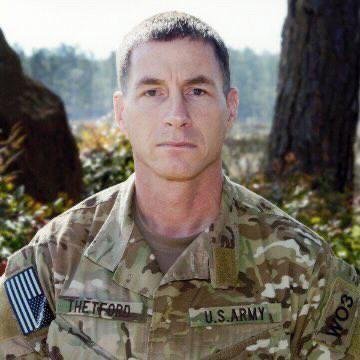
s the use of force over accountability. This, according to Hertling, is a critical failure of military leadership, as it suggests a lack of moral judgment and a willingness to condone actions that could violate the laws of war.
3. The Caribbean Boat Strike: A War Crime in the Making?
3.1 The Incident Near Nicaragua
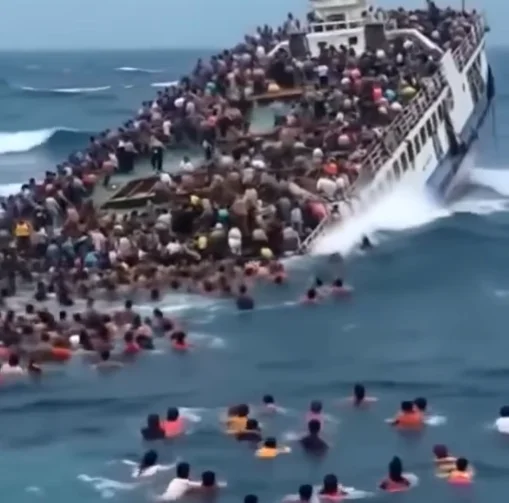
The most damning part of Hertling’s critique is his condemnation of Pete Hegseth’s involvement in a controversial strike on a boat near Nicaragua. According to new reports from The Washington Post, Hegseth allegedly ordered a second strike on survivors of the initial attack. These survivors, who were clinging to wreckage, were described as “hors de combat”—or outside the fight—and thus exempt from being targeted under the Geneva Conventions.
Hertling’s argument is that such an action, if true, constitutes a war crime. Deliberately targeting wounded individuals who are no longer combatants violates the fundamental principles of the laws of armed conflict. Hertling’s assertion that a senior civilian leader like Hegseth could have authorized such an act is alarming, as it raises serious questions about the erosion of ethical standards at the highest levels of military leadership.
3.2 The Impact of Unlawful Orders
Hertling goes further to suggest that if Hegseth’s orders were indeed unlawful, this would reflect a disturbing trend within military leadership—one where the pressure to act decisively in combat situations overrides legal and moral considerations. Hertling emphasizes that this creates a dangerous situation where service members may feel pressured to follow orders that violate the laws of war, placing them in a morally compromised position.
This, Hertling argues, is the crux of the issue. While Hegseth may have acted out of a desire to protect U.S. interests, his actions could have far-reaching consequences for the military’s credibility and the integrity of the U.S. government’s commitment to international law.
4. The Erosion of Military Legitimacy
4.1 The Role of Civilian Oversight
One of the most troubling aspects of this situation is the role that civilian leadership, particularly figures like Pete Hegseth, play in influencing military actions. Hertling argues that when civilian leaders prioritize loyalty over legal and ethical considerations, they undermine the legitimacy of the military. A professional military, Hertling stresses, must adhere to legal oversight and accountability in order to distinguish itself from the lawless factions it opposes.
The erosion of military legitimacy, as Hertling points out, not only harms the U.S. military’s ability to function effectively but also damages its standing in the eyes of the American public and the international community. If the military is seen as willing to ignore the law, it risks losing the trust of the people it is sworn to protect.
4.2 The Call for an Investigation
In his article, Hertling calls for an immediate bipartisan investigation into the actions of Pete Hegseth and others who may have been involved in ordering unlawful strikes. He emphasizes that the American people are willing to accept mistakes made in the fog of war but cannot tolerate moral drift at the top of the chain of command. If the allegations against Hegseth are true, Hertling argues, criminal liability should be pursued to restore accountability and preserve the ethical foundation of the military.
5. The Importance of Upholding Military Ethics
5.1 Military Ethics in the Modern Age
In the final analysis, Hertling stresses that the U.S. military’s strength lies not just in its firepower but in its adherence to the values enshrined in the Constitution and international law. The military must act as a moral force, distinguishing itself from the very adversaries it faces on the battlefield. A military that abandons its ethical standards, Hertling warns, risks becoming no better than the enemies it fights.
As the U.S. faces new challenges in the global arena, maintaining the moral high ground is more important than ever. The future of the military depends on leaders who understand that ethics and accountability are not optional but essential to the nation’s security and reputation.
Conclusion
Mark Hertling’s critique of Pete Hegseth’s views on military justice and his involvement in the Caribbean boat strike is a powerful reminder of the importance of ethics in the U.S. military. While Hegseth’s actions may have been motivated by a desire to protect American interests, Hertling’s analysis reveals the dangerous consequences of abandoning legal and moral oversight. The U.S. military must uphold its commitment to the laws of war and maintain its legitimacy as a force for good in the world.
As the U.S. prepares for future military engagements, the lessons of this controversy should not be forgotten. Ethical leadership, accountability, and adherence to the law must always be the foundation upon which the U.S. military stands.