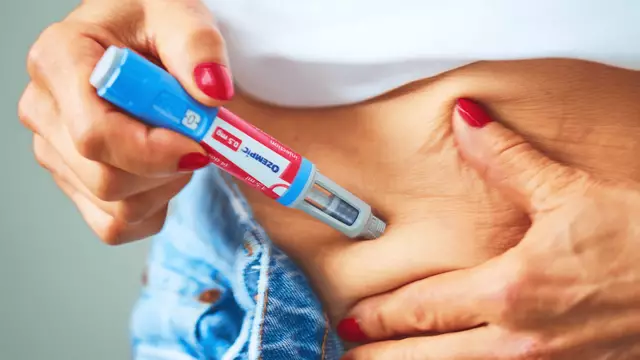
New findings have been published in the British Medical Journal on weight gain after using the GLP-1 drugs
A new study published in the British Medical Journal (BMJ) has suggested that coming off GLP-1 jabs may leave people worse off.
The weight loss injections have skyrocketed in popularity in the past year or so, with millions around the world resorting to their use for the purpose of shedding pounds.
Following the festive period, it’s believed that around two thirds of users will restart using their GLP-1 medication after taking a break or reducing their dosage over Christmas.
Whether it be Mounjaro or Wegovy, the drugs which were made for type 2 diabetes are now primarily used for weight loss purposes.
But it seems like starting them means you’re signing a lifelong contract with the medication, if the latest findings are to be believed.
A new BMJ study suggests that the long-term effects of going off GLP-1 drugs can be detrimental (Getty Stock Image)
According to new data published in the BMJ, those using the weight-loss injections could put on weight up to four times faster than those going down the traditional route of exercising regularly and eating well.
It finds that overweight people shed sizable amounts when they’re using the medication, but they can regain the weight as quickly as 0.8 kg every month.
The Oxford-led review suggests it can result in the individual returning to their pre-treatment weight in just a year and a half.
According to one of the leading researchers, Dr Susan Jebb, people must ‘be aware of the risk of fast weight regain when the treatment ends’.
The Oxford University professor added: “Obesity is a chronic relapsing condition, and I think one would expect that these treatments need to be continued for life, just in the same way as blood pressure medication.”
By examining 37 studies involving over 9,300 people, experts found that weight spiked rapidly after going off the jabs, regardless of loss.
Dr Jebb said that these conclusions came from medical trials instead of real life, with new studies on long-term effects of the jabs likely to further knowledge in the field.
Eight of the studies analysed looked at treatment with GLP-1 drugs, while the others focused on conventional dieting and other pills.
Looking at medication such as Wegovy and Mounjaro, the maximum follow-up period in said studies was just a year after medication stopped, meaning that figures are an estimate.

Experts and manufacturers of the GLP-1 medication insist that they be used alongside positive lifestyle changes (Getty Stock Image)
The NHS recommends that those who are overweight with obesity risks seek out the jab, not just those looking to lose some weight, while also suggesting lifestyle changes in addition to any jabs.
Experts suggest that this treatment should be lifelong, with the looming risk of a relapse.
Data suggests that around 1.6 million adults in the UK have used GLP-1 injections in the past year alone, which have been primarily bought through private prescriptions instead of the NHS.
These findings come after warnings from health experts on how a ‘disruptive stop-start approach’ when it comes to the medication can hurt long-term goals.
Superintendent pharmacist at the weight loss programme CheqUp, Aaron Arman, advised against halting GLP-1 injections without seeking the advice of a doctor.
He explained: “These medicines work by regulating appetite, digestion and glucose control, so suddenly stopping them removes those protective effects and can make it harder to re-establish healthy routines.
“Patients who pause their medication may also experience stronger side effects when restarting, as the body needs time to adjust to the medication again.”
A Novo Nordisk spokesperson said in a statement to LADbible: “Wegovy® (semaglutide injection) is indeed indicated for weight management, and it’s expected that some level of weight regain can occur upon discontinuation of the medicine.”

Studies suggest that adopting a healthier lifestyle is more effective in the long run than relying on GLP-1 drugs (Getty Stock Image)
They added: “Our own study published in 2022 from the STEP1 trial demonstrated that treatment withdrawal of Semaglutide resulted in the regain of two-thirds of the weight loss within 52 weeks.
“These findings highlight the chronic nature of obesity and suggest that ongoing treatment is necessary to maintain improvements in weight and overall health for patients, similar to the management of other chronic conditions such as diabetes or hypertension.”
An Eli Lilly spokesperson said in a statement to LADbible: “Obesity is a chronic progressive disease, and people living with obesity deserve care that reflects that reality. Many long-term conditions, such as high blood pressure or diabetes, need ongoing treatment.
“Authorised weight-management medicines, when prescribed appropriately, can be part of longer-term care alongside healthy eating, physical activity, and medical follow-up.
“When treatment is stopped, weight can return, which reflects the biology of the condition rather than a lack of effort.
“Lilly continues to study the long-term effects of these medicines and works closely with healthcare professionals and people living with obesity to support their safe and appropriate use.”
Featured Image Credit: Getty/Peter Dazeley