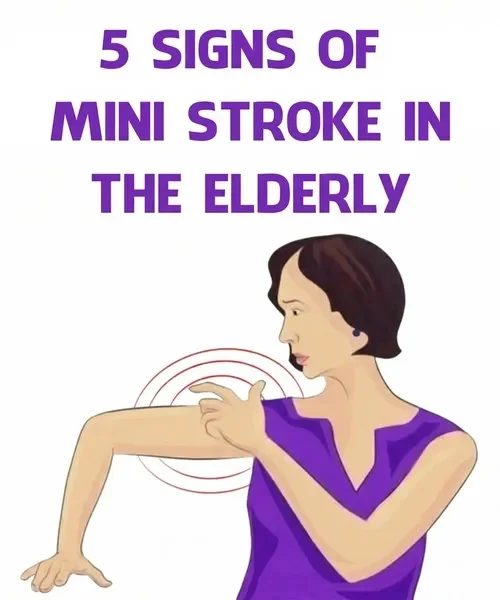
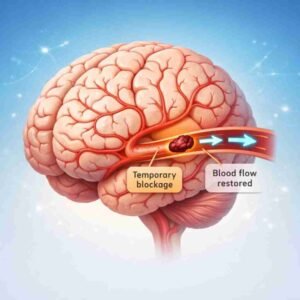
A mini-stroke can feel like a puzzling, fleeting moment. One minute everything seems completely normal, and the next, a person may suddenly feel weak, confused, or unsteady — only for the feeling to disappear just as quickly. This brief episode is known as a transient ischemic attack (TIA). It happens when blood flow to a part of the brain is temporarily blocked. In seniors, this is often caused by narrowed blood vessels or a tiny clot that passes through.
“Early signs of a mini-stroke often appear suddenly, such as weakness or facial drooping on one side of the body.”
Because the symptoms fade fast, many older adults mistake a TIA for tiredness, stress, or simply “not feeling well.” But this quick recovery can be misleading. A mini-stroke is actually a major warning sign that a full stroke may be coming, often within days or weeks if no treatment is given.
Recognizing the Sudden Symptoms
TIA symptoms appear without warning, and although they may last only minutes, they should never be ignored. Common signs include:

Weakness or numbness on one side of the face, arm, or leg — such as a drooping smile or difficulty lifting a limb.
Slurred or unclear speech, or trouble finding the right words.
Vision changes, including blurriness, double vision, or a temporary shadow across one eye.
Dizziness or a sudden loss of balance.
Unusual or sudden headache that feels different from normal.
Even if these symptoms last only a short time, the brain is still at risk. Acting quickly and seeking medical help is crucial.
“A mini-stroke (TIA) occurs when blood flow to part of the brain is briefly blocked, causing temporary symptoms.”
Why Seniors Face Higher Risk
Certain health conditions make older adults more likely to experience a TIA. These include:
High blood pressure
Diabetes
High cholesterol
Smoking
Inactive lifestyle
Poor diet, especially one high in salt and unhealthy fats
A TIA is often the body’s way of sending an early warning. Many people who have one may suffer a full stroke soon after if the problem is not discovered in time.
How Doctors Diagnose and Treat a TIA
When a TIA is suspected, doctors act quickly to find the cause and prevent a future stroke. They may use:
Brain scans to detect blocked or narrowed blood vessels
Blood tests to check cholesterol, sugar levels, and clotting issues
Heart monitoring to look for irregular rhythms that may create clots
Treatment depends on the patient’s condition but often includes medications that lower stroke risk by reducing clots, controlling blood pressure, or managing cholesterol. In some cases, doctors recommend medical procedures to improve blood flow.
Preventing Future Mini-Strokes and Strokes
Long-term protection focuses on healthy lifestyle habits. Seniors are encouraged to:

Stay physically active
Eat balanced meals with fruits, vegetables, whole grains, and healthy fats
Manage stress and get enough sleep
Quit smoking
Keep medical conditions like blood pressure and diabetes under control
“Healthy lifestyle habits—like good nutrition, exercise, and managing medical conditions—can greatly reduce stroke risk.”
Acting quickly after a mini-stroke can make a life-changing difference. With the right care and prevention, seniors can reduce their risk of a major stroke, protect their independence, and enjoy a safer, healthier future.