In the heart of Kenya’s Ithumba region, a story of courage, resilience, and extraordinary friendship has unfolded, reminding the world of the deep bonds that exist within the animal kingdom. It began on
February 1, 2018, when a young orphaned elephant named Enkikwe faced a life-threatening encounter with a lion near the Kalovoto River. Alone and vulnerable, Enkikwe’s survival depended not only on his own fortitude but also on the intervention of his fellow elephants, whose loyalty and bravery would define his journey back to health.
Enkikwe’s plight did not go unnoticed. His companions, Makena, Tumaren, and Rapsu, confronted the predator with remarkable courage. Trumpeting loudly and charging fearlessly, they drove the lion away, protecting Enkikwe from certain harm. After ensuring the threat had passed, the three guided their friend safely back to the Stockades, a sanctuary for orphaned elephants, where Enkikwe would begin the long and arduous process of recovery. The moment highlighted the protective instincts and social intelligence inherent in these wild animals, demonstrating that even in the animal world, friendship can be a matter of life and death.

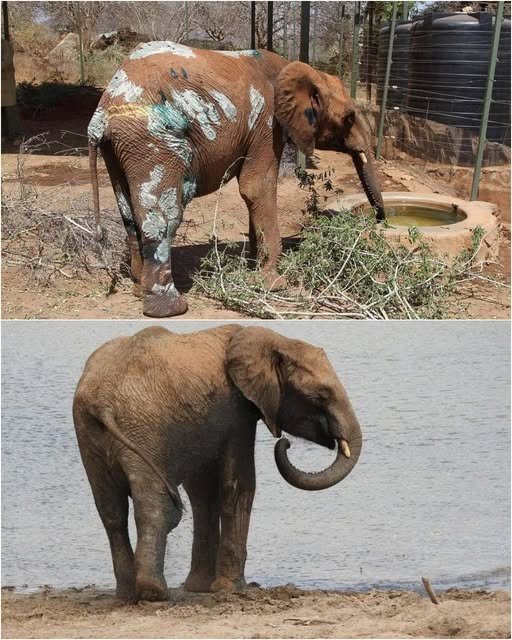
Recovery for Enkikwe was not immediate. He endured months of confinement, receiving daily care for his wounds, antibiotics to prevent infection, and treatments to support healing. During this period, he exhibited remarkable patience and resilience, tolerating discomfort while gradually regaining strength. The careful and consistent care provided by his human guardians, combined with the supportive presence of his elephant friends, played a critical role in his healing process.
Despite the challenges, Enkikwe slowly began to reintegrate into the activities of the orphan herd. He avoided strenuous activities, such as vigorous mud baths, to protect his healing leg, and relied on his companions for guidance and reassurance. The support of his friends — including
Siangiki, Laragai, Olsekki, and others — underscored the importance of social bonds in recovery. These elephants, mischievous yet deeply loyal, remained a constant source of comfort, demonstrating that recovery is often strengthened by community and care.
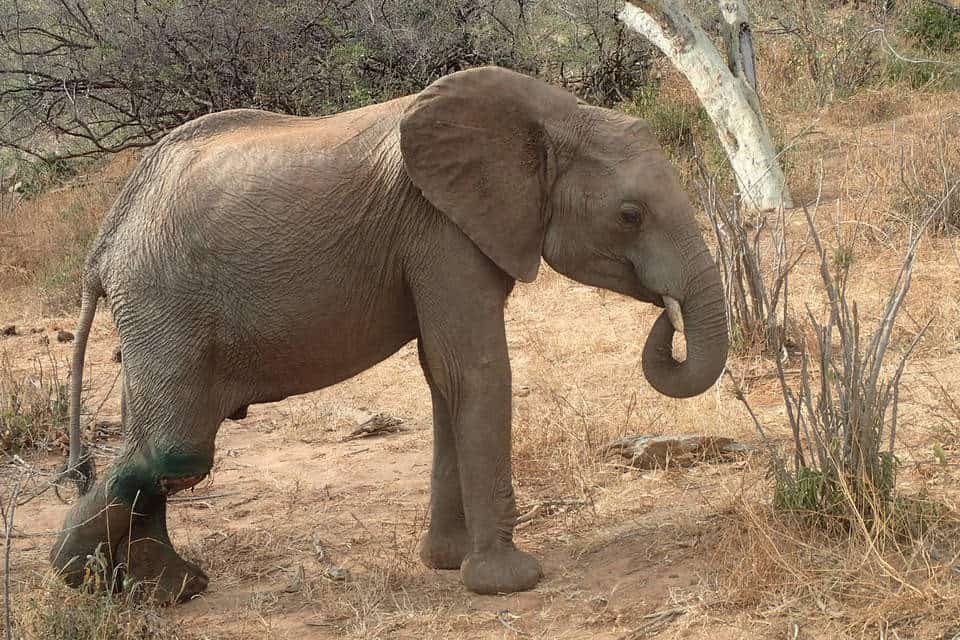
Medical assessments had initially painted a sobering picture. Dr. Poghon, overseeing Enkikwe’s rehabilitation, predicted an 18-month healing period for his knee injury and anticipated a permanent limp due to damaged ligaments and tendons. The injury, combined with the risk of infection from the predator encounter, presented a serious challenge to Enkikwe’s future mobility. However, thanks to vigilant care, close monitoring, and the gentle guidance of his elephant companions, the young elephant’s progress has exceeded expectations. His wounds have healed fully, infections have been avoided, and though his leg still shows some stiffness, his overall mobility has improved significantly.

Enkikwe’s story is not only one of physical recovery but also a testament to emotional resilience. The support provided by his herd — through companionship, guidance, and protective behavior — has allowed him to regain confidence in his movements and rejoin normal herd activities. The patience and dedication of his friends highlight the social intelligence of elephants, their ability to nurture, protect, and aid one another in times of vulnerability. This remarkable display of loyalty emphasizes that recovery from trauma is as much about emotional support as it is about medical care.
Today, Enkikwe stands as a symbol of hope and determination. His journey illustrates how friendship and community within the wild can be as vital as human intervention, and how the bonds formed among elephants can provide comfort, security, and encouragement in moments of extreme vulnerability. His recovery also reinforces the importance of ongoing medical attention for wild animals who sustain injuries, ensuring that infection is managed and healing progresses as naturally as possible.
The legacy of Enkikwe’s experience resonates beyond the boundaries of Ithumba. It is a story of bravery — not just his own, but of his friends who faced danger head-on to protect him. It is a story of compassion, demonstrating how animals are capable of extraordinary care for one another. And it is a story of resilience, showing that with consistent support, determination, and patience, even life-threatening injuries can be overcome.
Enkikwe’s future in the wild now looks hopeful. While his leg may retain some stiffness, his ability to walk, run, and engage with his herd is steadily improving. Every step he takes is a reminder of the intertwined nature of survival, care, and social bonds in the wild. His recovery journey exemplifies the vital work of conservationists and veterinarians in combination with the natural protective behaviors of elephants themselves.

This story, while centered on one elephant, offers universal lessons about courage, loyalty, and the importance of nurturing relationships, whether human or animal. Enkikwe’s journey from a dangerous encounter to recovery, guided by his companions and human caregivers, is a powerful testament to the enduring strength of empathy and resilience in the natural world.
As Enkikwe continues to thrive, his life stands as a vivid example of the transformative power of compassion and community, a story that echoes across the savannah, reminding us of the profound connections that exist between living beings and the ways in which friendship and care can overcome even the most daunting challenges.
The Emotional Moment Dog was Returned to Owners 7 Years After Being Stolen-99
In a story that feels almost too extraordinary to be true, an English family has finally been reunited with their beloved Labrador, Daisy, who was stolen from them more than seven years ago. The reunion was a deeply emotional moment, made all the more powerful by the tireless search of her owners and the awareness their efforts helped raise about the dark reality of pet theft.
For Rita and Philip Potter of Norfolk, Daisy was more than a pet—she was a cherished member of the family. That made the events of 2017 all the more horrifying. One summer day, a truck pulled up in front of the Potters’ house, and two men leapt out, grabbing Daisy from the front lawn and shoving her into the vehicle before driving away. The brazen abduction was seen by neighbors, leaving no doubt as to what had happened.
“We never thought she was lost in the woods or had wandered away,” Mrs. Potter later recalled. “We knew she had been taken.” From that moment, the Potters launched a campaign to find Daisy, reaching out to the police, the press, and eventually to the wider public through social media.
The years that followed were marked by heartbreak and determination. The Potters kept Daisy’s photograph on their mantlepiece and looked at it every day, wondering where she might be. Their public pleas gained traction and eventually caught the attention of celebrities, including British actor Tom Hardy, who shared their post on social media to help raise awareness about Daisy’s disappearance.
But even as their personal fight to find Daisy continued, the Potters also turned their grief into action, channeling their energy into a broader campaign to protect other families from enduring the same pain.
They launched a petition that eventually collected 100,000 signatures, calling on the government to take pet theft more seriously. At the time, under the UK’s 1986 Theft Act, stealing a pet was legally considered no different from stealing an object.
Their advocacy helped push through the Pet Abduction Act, which officially recognized pets as sentient beings rather than property, and set stricter sentencing guidelines for those convicted of pet theft. Under the new law, abducting a pet is punishable with up to five years in prison. For the Potters, it was a bittersweet victory—justice for other families, but still no sign of Daisy.
That all changed this year when the RSPCA conducted an investigation in Somerset, around 200 miles away from Norfolk. There, inspectors came across a 13-year-old Labrador who had likely been used for illegal breeding purposes.
The dog, elderly and in poor condition, was handed over by the people who had her, who claimed they had only owned her for a few years and did not realize she had been stolen.
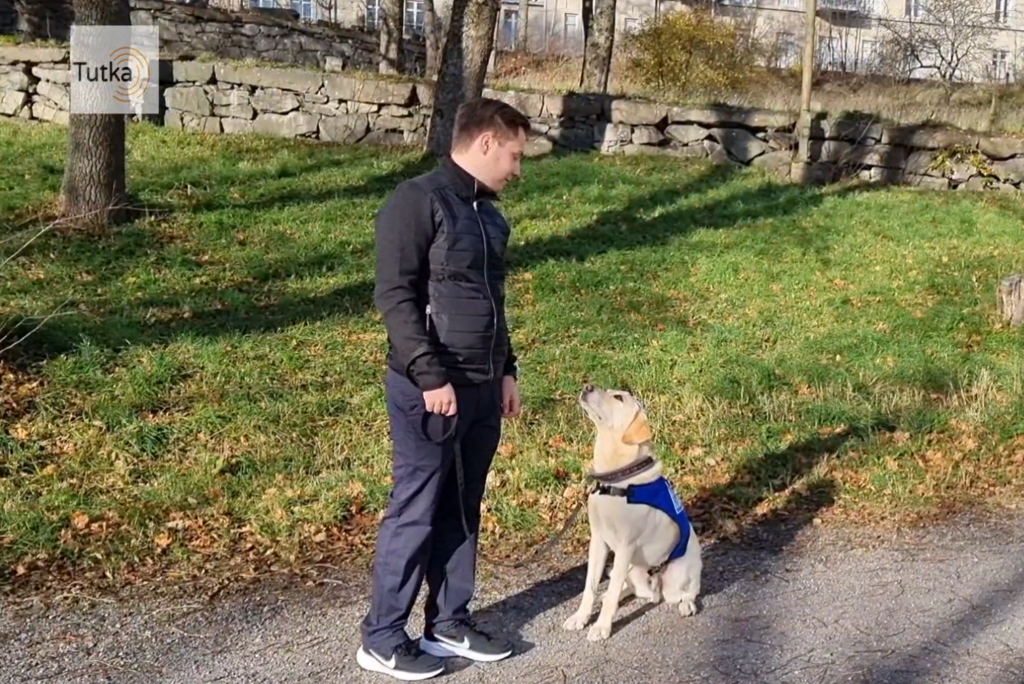
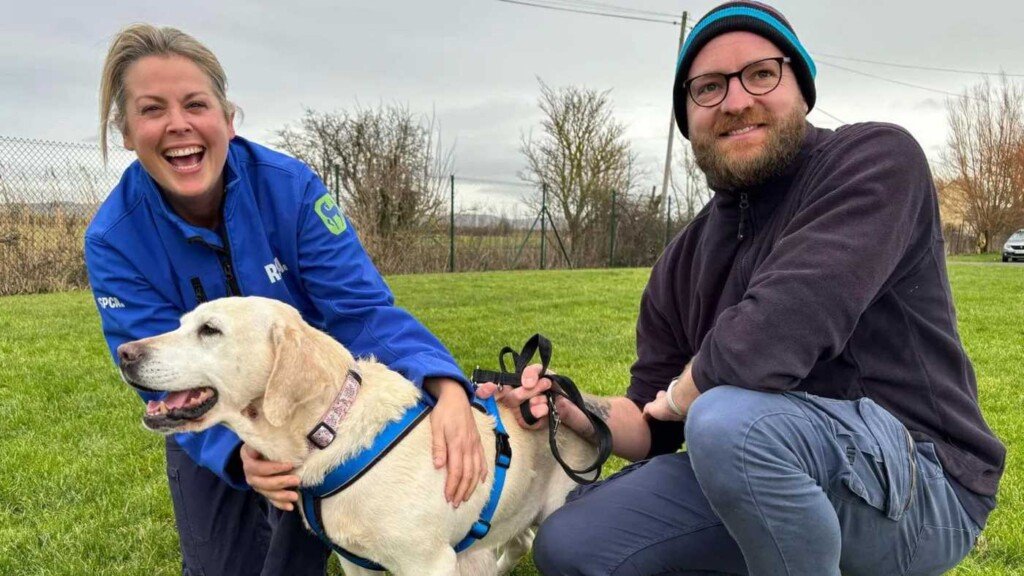
A routine microchip scan confirmed the dog’s identity: it was Daisy. After seven long years, she was finally coming home.
“When we got the call, I couldn’t believe it,” Mrs. Potter told the BBC. “We kept a photograph on the mantlepiece and would look at it every day thinking of her, and where she might be. It is an absolute dream come true that the RSPCA found her and returned her to us—where she belongs—we are so, so grateful.”
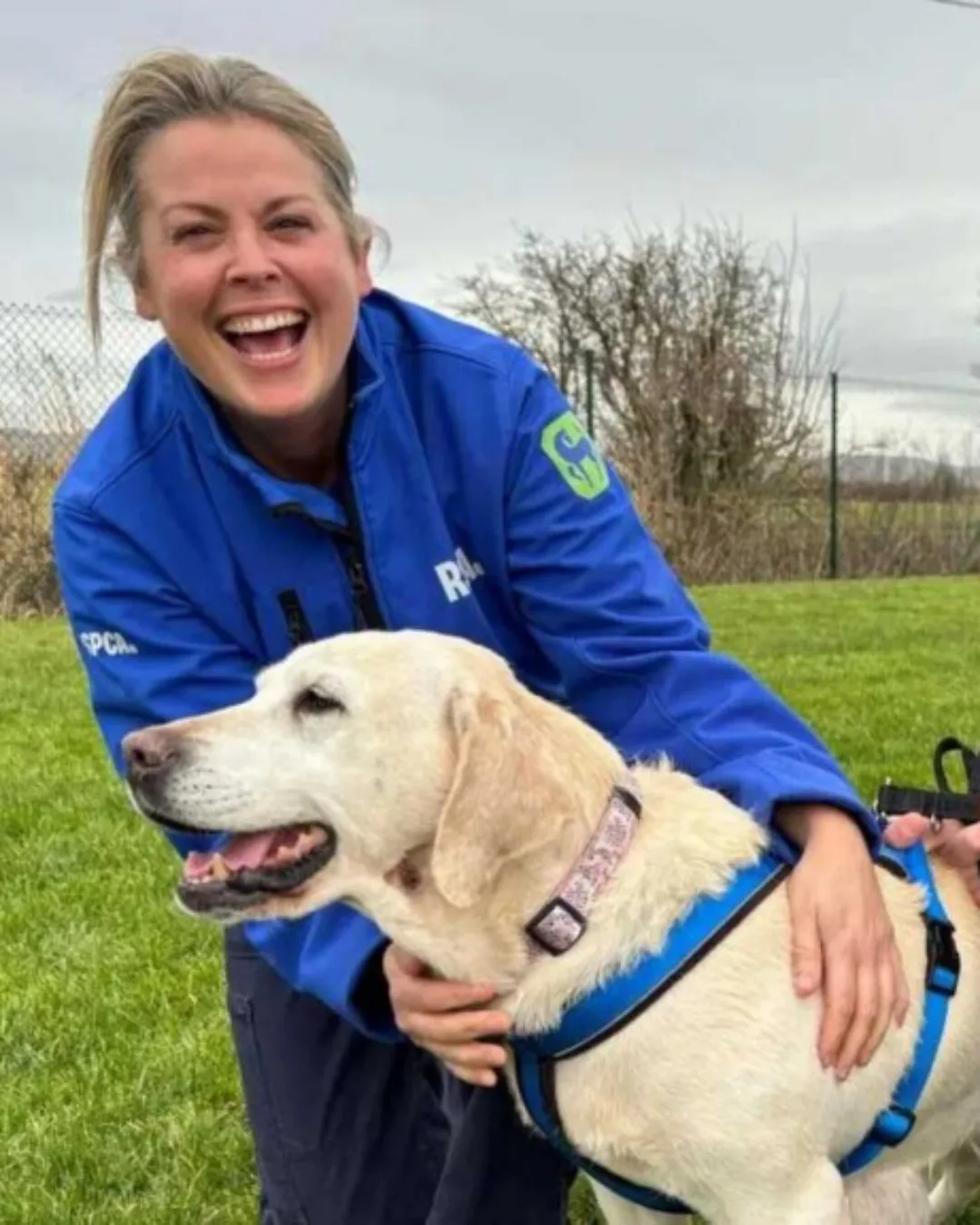
RSPCA inspector Kim Walters described the moment she informed the Potters of the discovery. “They were obviously shocked—but elated at the same time,” Walters said. “I was a bit choked from listening to them, and clearly how much they loved her, so it was great telling them that we could get her back home soon.”
Now back in Norfolk, Daisy is in her golden years and bears the marks of her ordeal. She suffers from several health issues after years of likely maltreatment, but her family is determined to make her remaining years the happiest and most comfortable possible.
“We’ll love her, spoil her, and care for her,” the Potters said, expressing both joy and relief that their long wait was finally over.
The reunion stands as a testament not only to the resilience of one family’s love for their pet but also to the importance of microchipping and the power of advocacy.
Daisy’s story helped spark change that will protect countless other animals in the UK from the trauma of abduction. And while the years stolen from her and her family can never be replaced, her homecoming is a reminder that sometimes, even after years of heartbreak, hope can still be rewarded.